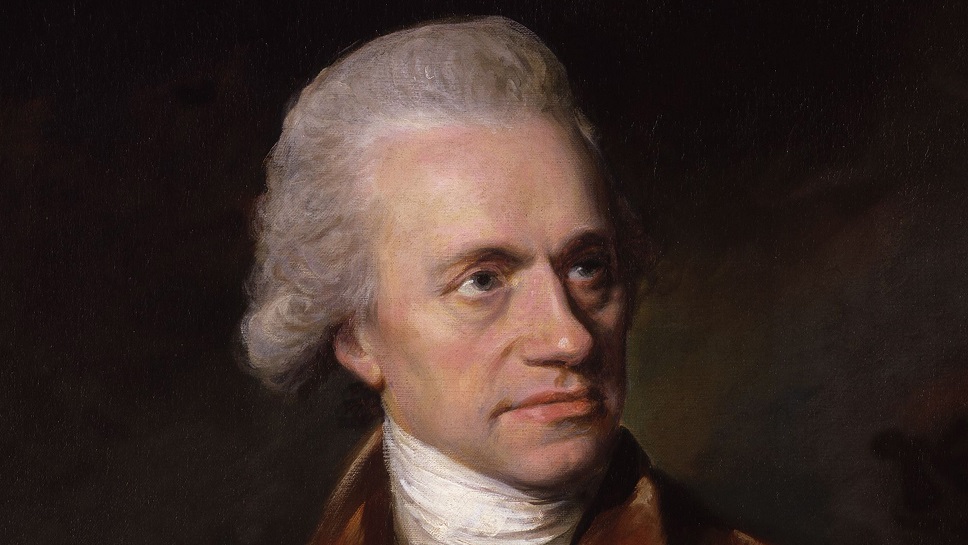
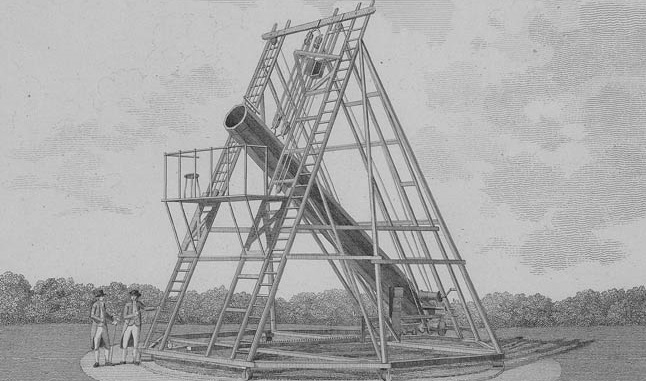
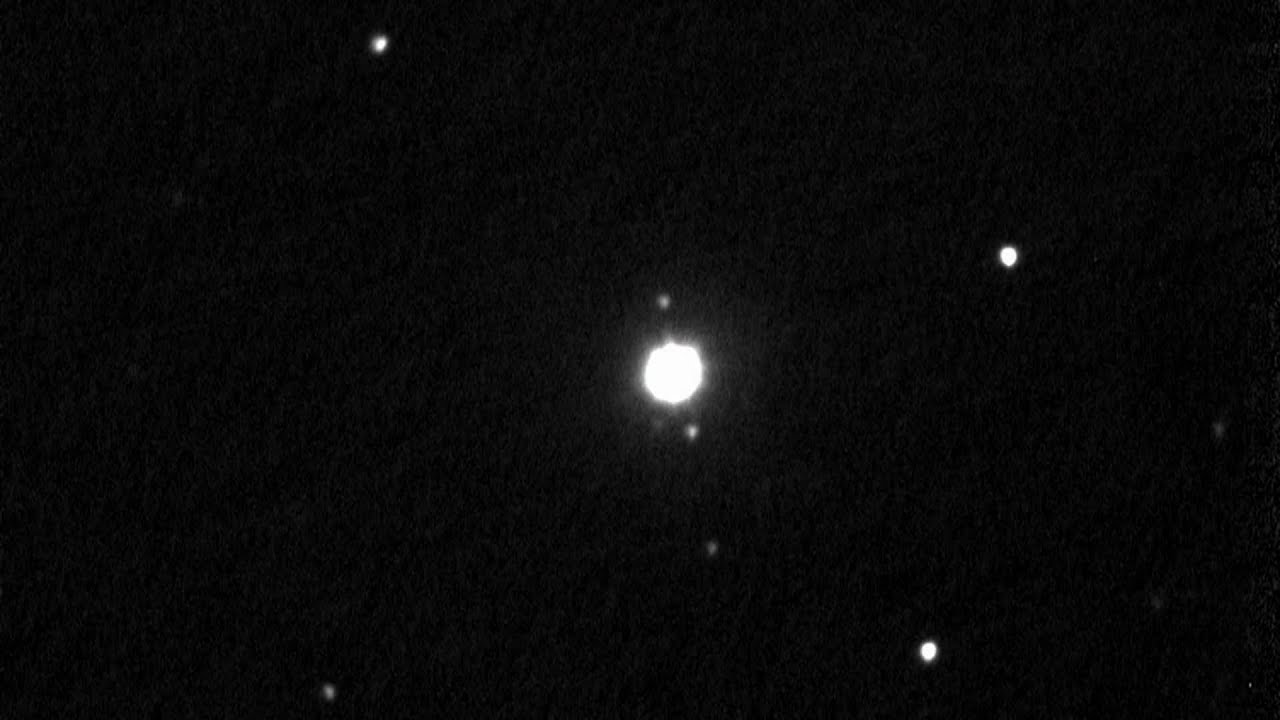
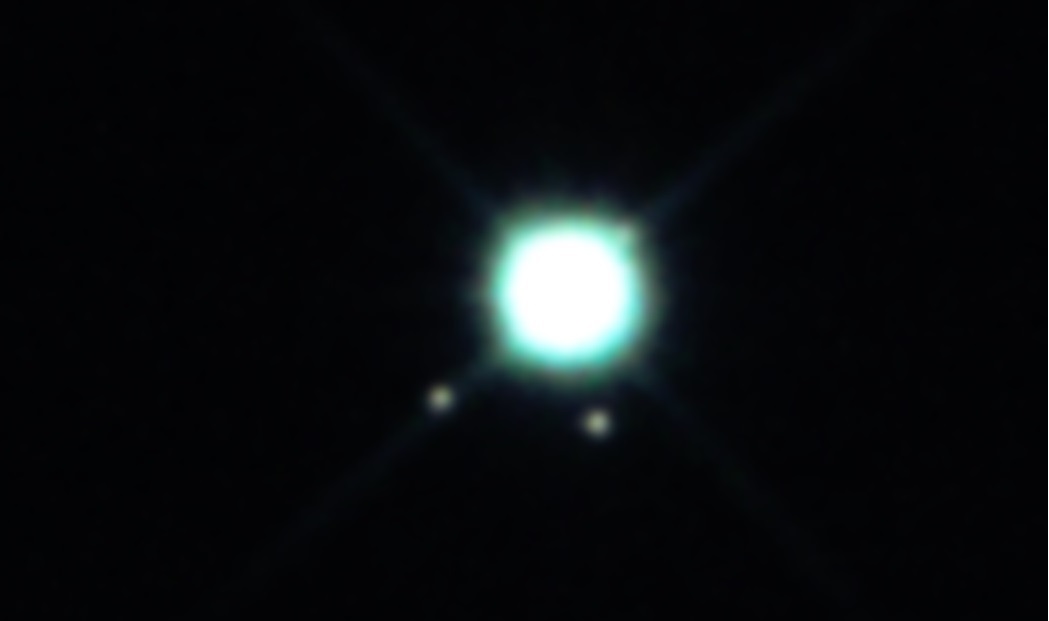
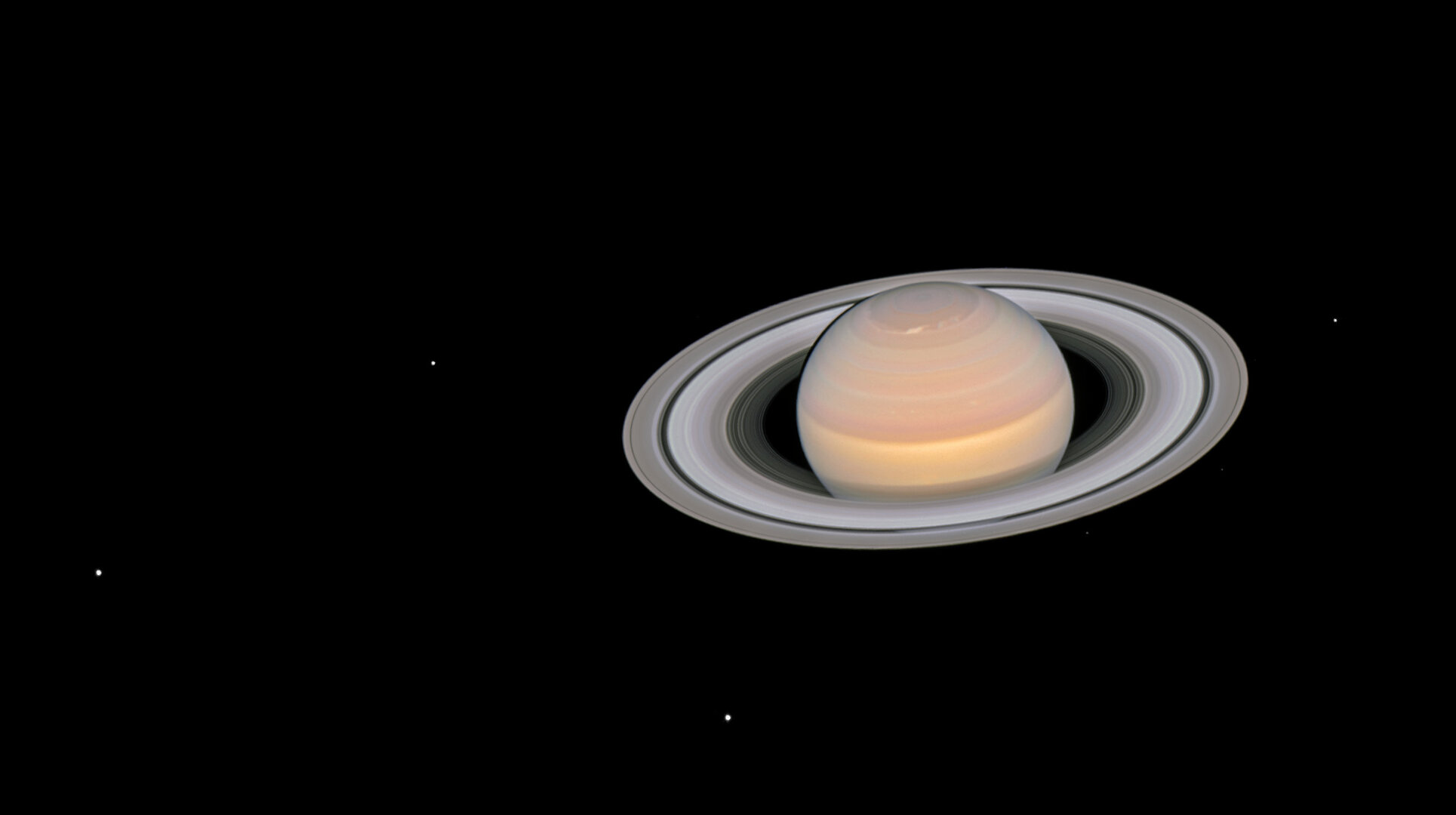
William Herschel, born Friedrich Wilhelm Herschel (Hannover, 1738 / Slough, 1822), was a naturalized British German astronomer and musician, discoverer of the planet Uranus and of numerous other celestial objects. Son of musicians, he studied music and played the oboe with special competence. After participating in the battle of Hastenbeck (1757), he decided to move away from continental Europe and the wars and settle in the United Kingdom, where he stood out as an organist and conductor, but from 1773, he became interested in astronomy. He built his own telescopes, becoming a virtuoso on the subject, and in 1781 he discovered an object that he initially thought was a comet, although he soon realized that it was a new planet, more later called Uranus. He also discovered that the Sun was not still in the center of the Universe, as was then believed, but was moving, giving the point to which it is directed the name «solar apex» (1783). He also discovered the satellites of Uranus, Titania and Oberon (1787), and the satellites of Saturn, Enceladus and Mimas (1789). Apart from the cited objects, he discovered numerous comets, galaxies and nebulae, created a model for the Milky Way (which was then thought to be the entire universe), as well as other physics studies.