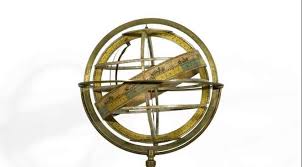
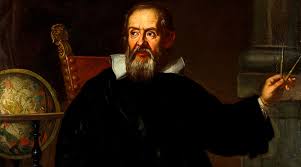
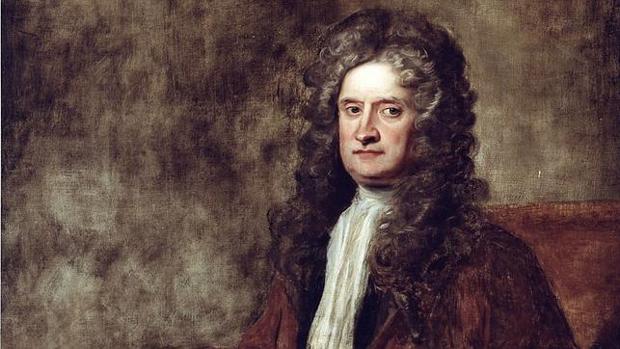
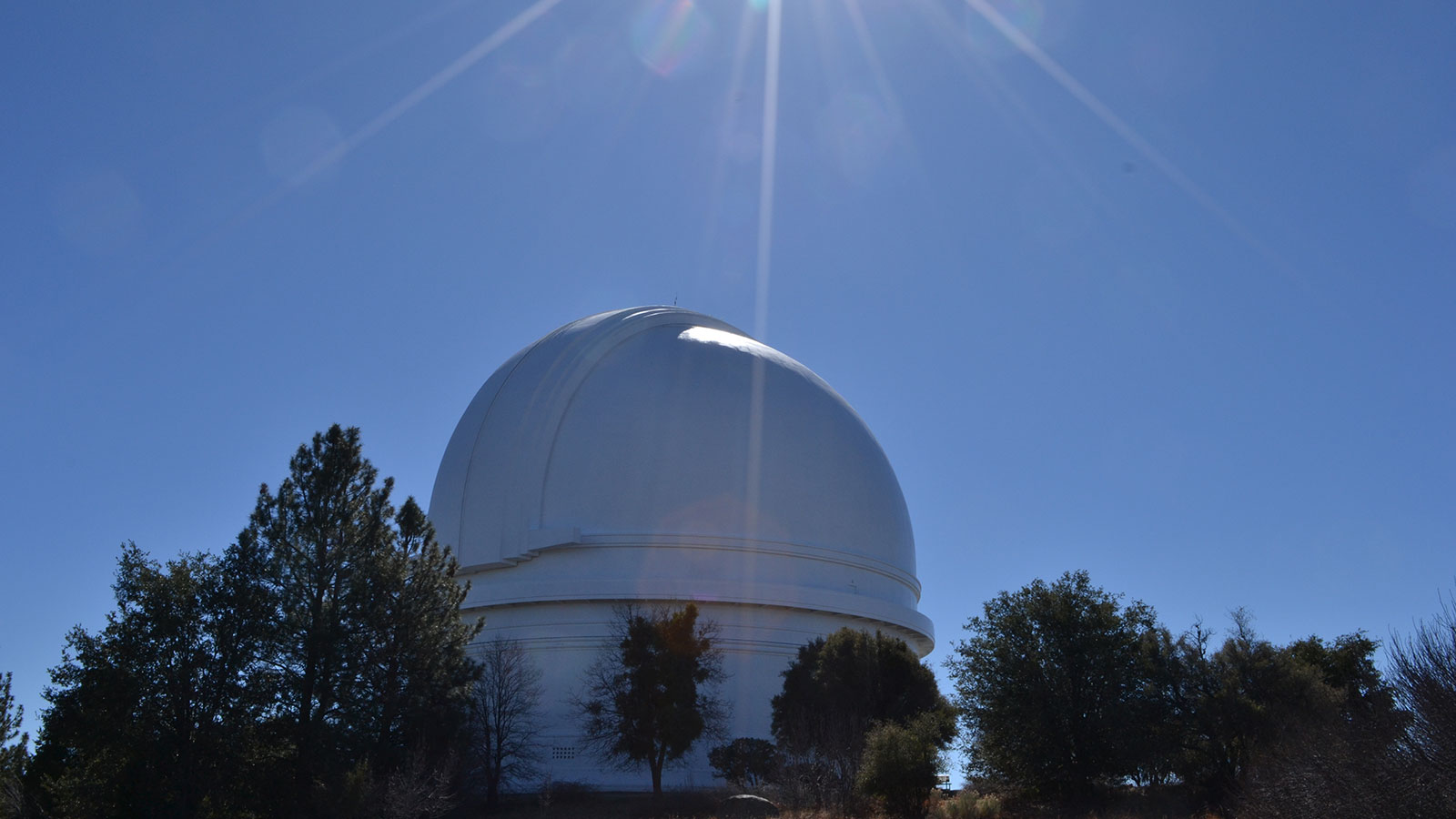
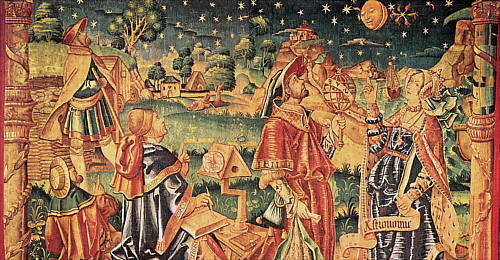
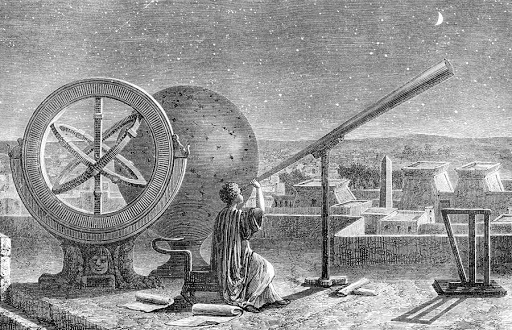
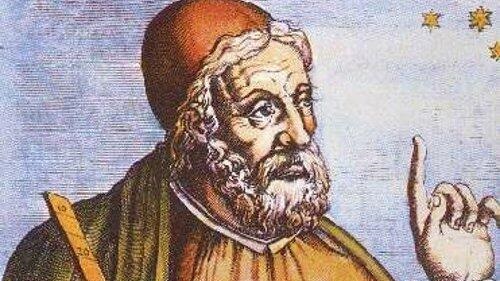
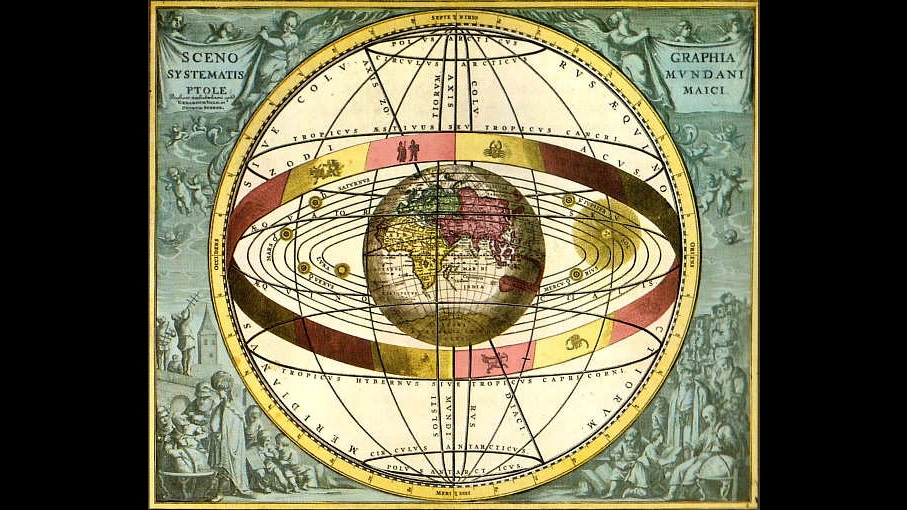
For many thousands of years, civilizations did not recognize the existence of the Solar System. The Earth was believed to be stationary at the center of the Universe and categorically different from the divine or etheric objects moving through the sky. While Aristarchus of Samos had speculated on a rearrangement of the heliocentric cosmos, Nicolaus Copernicus first developed a predictive mathematical heliocentric system. His seventeenth-century successors, Galileo Galilei, Johannes Kepler, and Isaac Newton, developed an understanding of physics that led to the gradual acceptance of the idea that the Earth moves around the Sun and that the planets are governed by same physical laws governing the Earth. In more recent times, this has led to the investigation of geological phenomena such as mountains and craters and seasonal meteorological phenomena such as clouds, dust storms and ice caps on other planets.