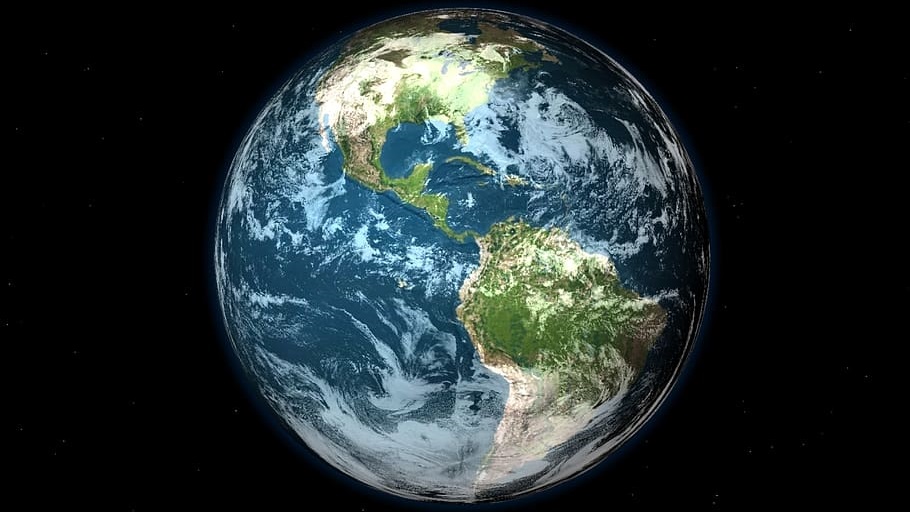
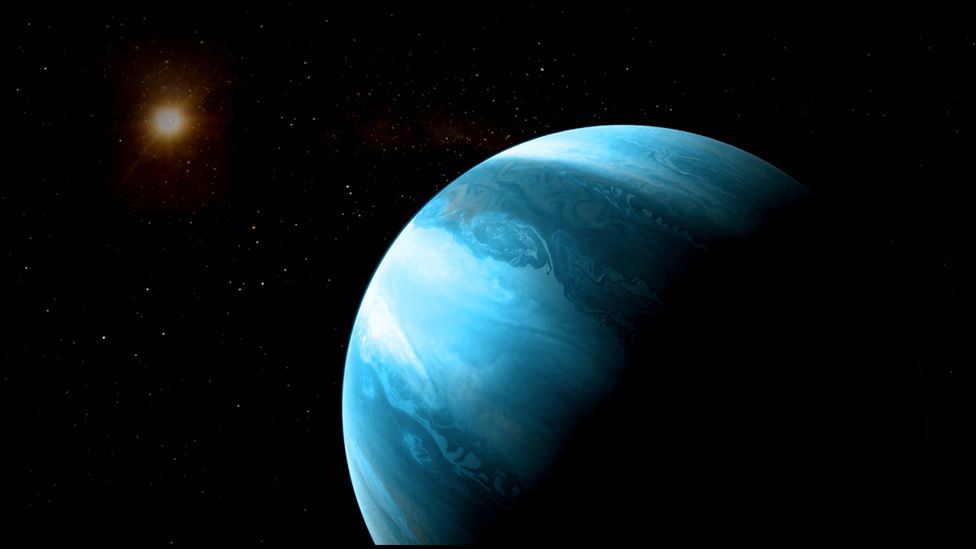
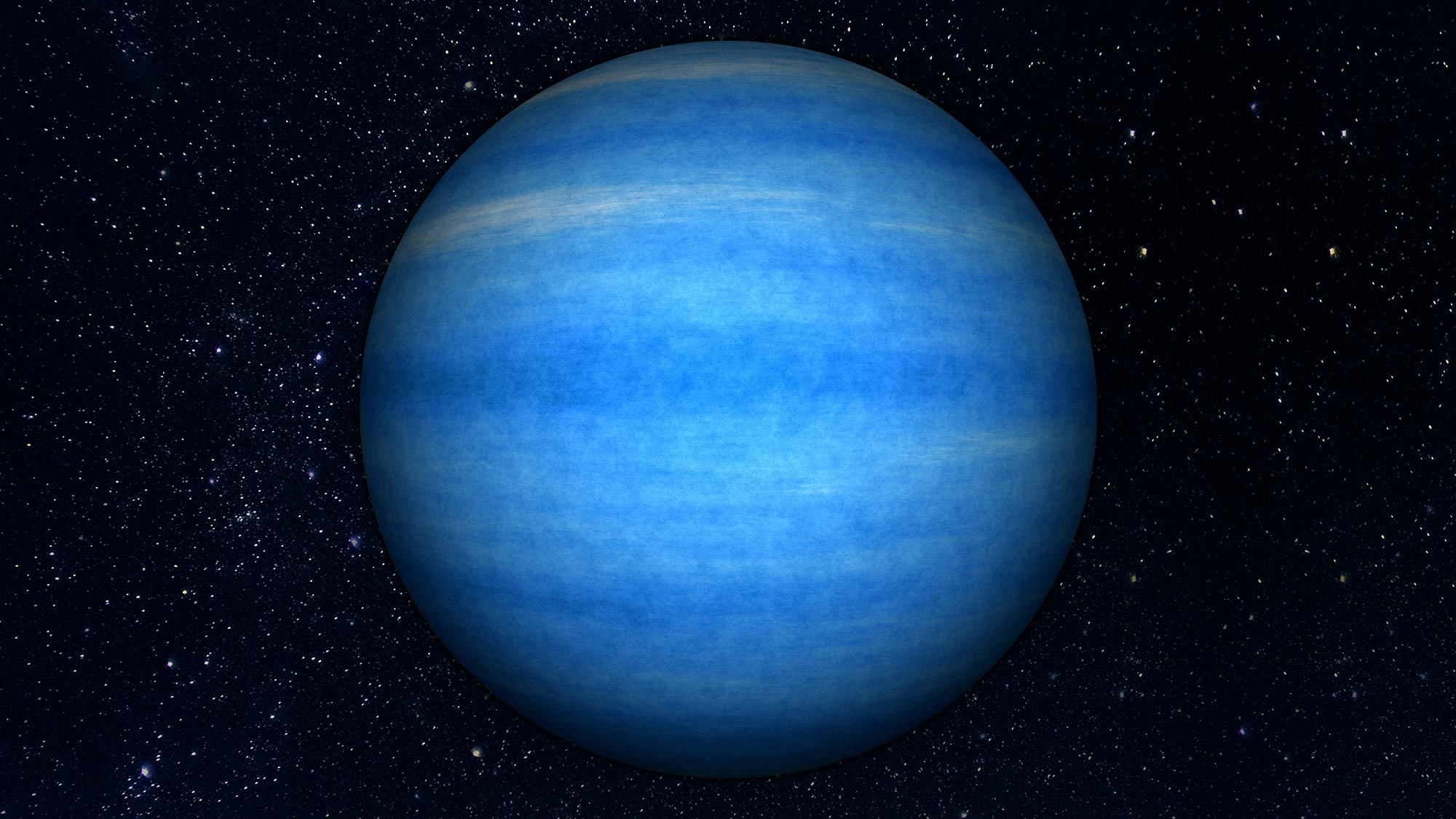
A planet is an astronomical object without its own light that revolves around a star, is massive enough to have a spherical (or almost spherical) shape, and has cleared its orbit of other celestial bodies, incorporating or expelling them, according to the definition made by the year 2006 the International Astronomical Union. Each body that describes elliptical orbits around the Sun or, in general, of a star, is called a planet. They are planets of the Solar System: Mercury, Venus, Earth, Mars, Jupiter, Saturn, Uranus and Neptune. The four closer planets to the Sun (Mercury, Venus, Earth and Mars) are considerably smaller and also are known as «Terrestrial planets», they are mainly composed of rock and metals, while the four furthest away (Jupiter, Saturn, Uranus and Neptune), called gas giants or «Jovian planets», more massive than terrestrial ones, are made up of ice and gases. Of the latter, the two largest, Jupiter and Saturn, are mainly composed of helium and hydrogen. Uranus and Neptune, called frozen giants, are made up mostly of frozen water, ammonia, and methane.