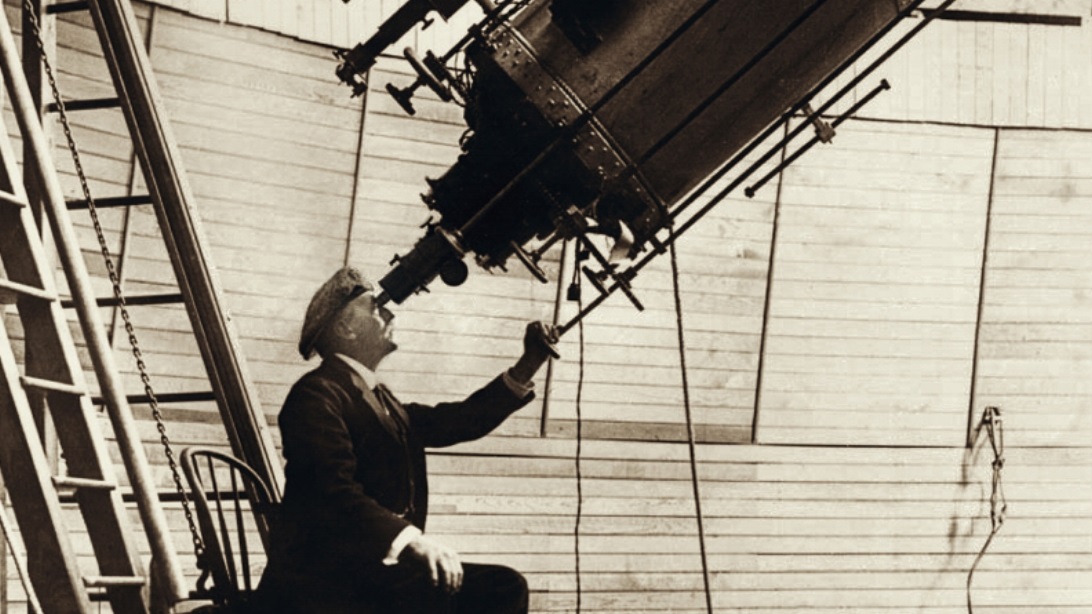
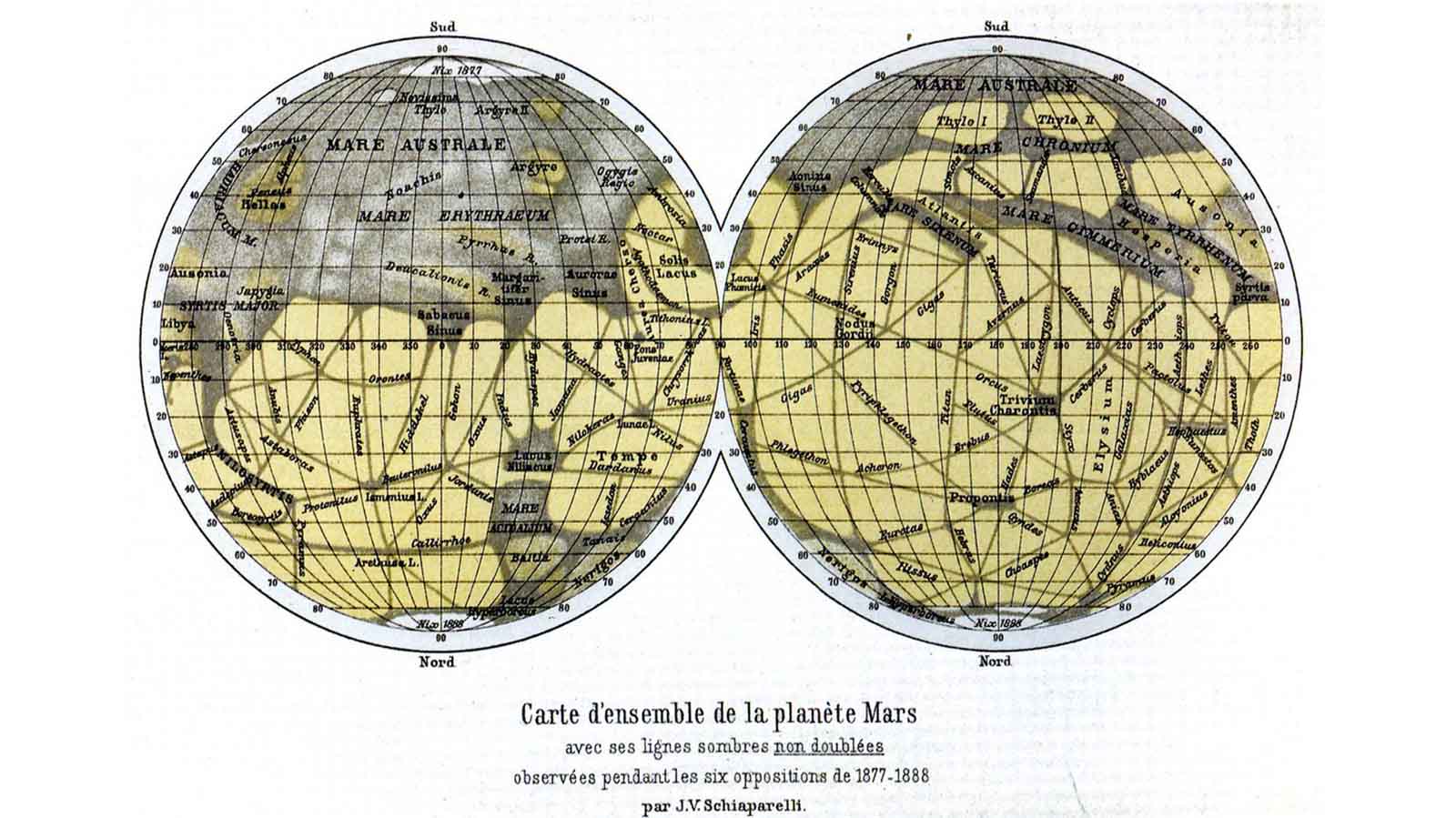
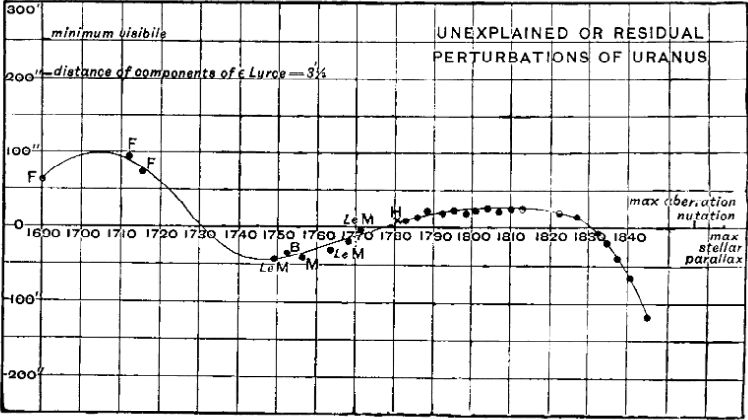
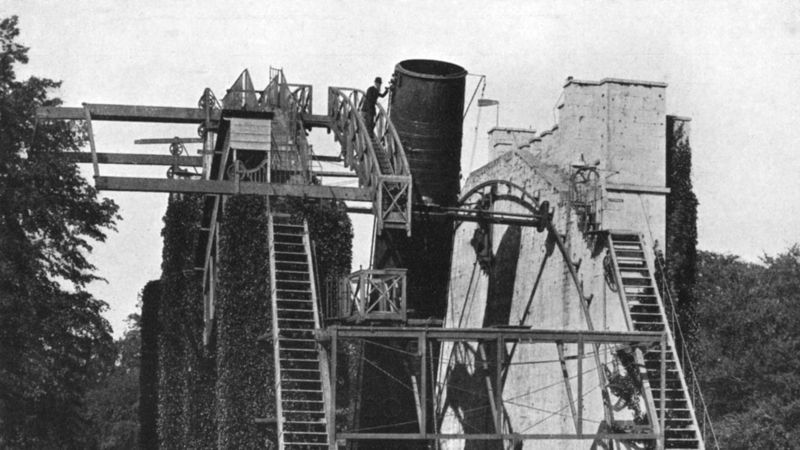
The appearance of a character like William Herschel at the end of the 18th century revolutionized astronomy. The invention of the telescope led to the discovery of several satellites of Jupiter and Saturn between 1610 and 1684 by Galileo Galilei, Christiaan Huygens and Giovanni Cassini. Since then, until the discovery of Uranus, no new body had been discovered in the Solar System and in 1781 Herschel discovered Uranus, a new planet, something that had never happened before (the other known planets have been known since ancient times). Herschel built his own telescopes and had greatly improved the technique to do so, managing to see many more objects in the Solar System. The discovery of Uranus confirmed the so-called Titius-Bode Law, but left one unknown: the hole observed between Mars and Jupiter. This hole seemed covered with the discovery of Ceres, soon considered a new planet, but also very soon it was seen that it was not alone, and others appeared: in 1845 5 «planets» were already known between Mars and Jupiter and in 1846 Neptune that ceased to comply with the aforementioned Law. As objects continued to be found between Mars and Jupiter (13 were already known in 1850) and all had sizes much smaller than the other known planets, it was considered that, despite rotating Around the Sun, they were not to be considered «planets» and they began to be called «asteroids». The progressive improvement of the telescopes led to the discovery of more objects, both satellites and asteroids, as well as the deeper study of some planets such as Mars, for which the great opposition of 1877 was taken advantage of.