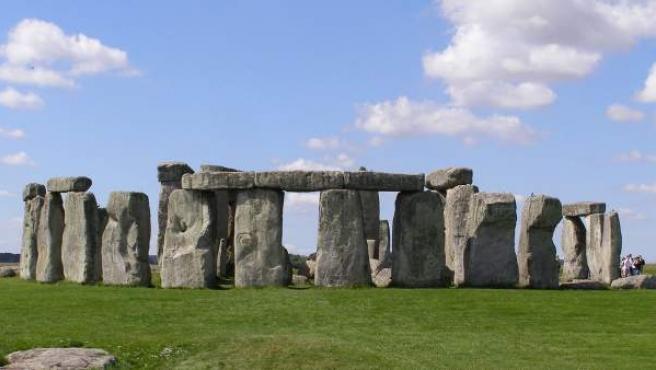
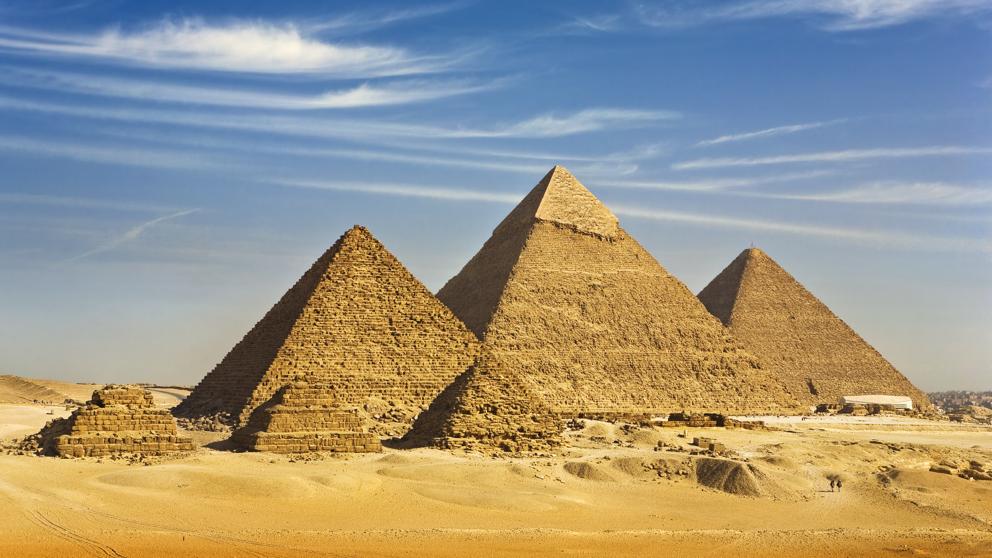
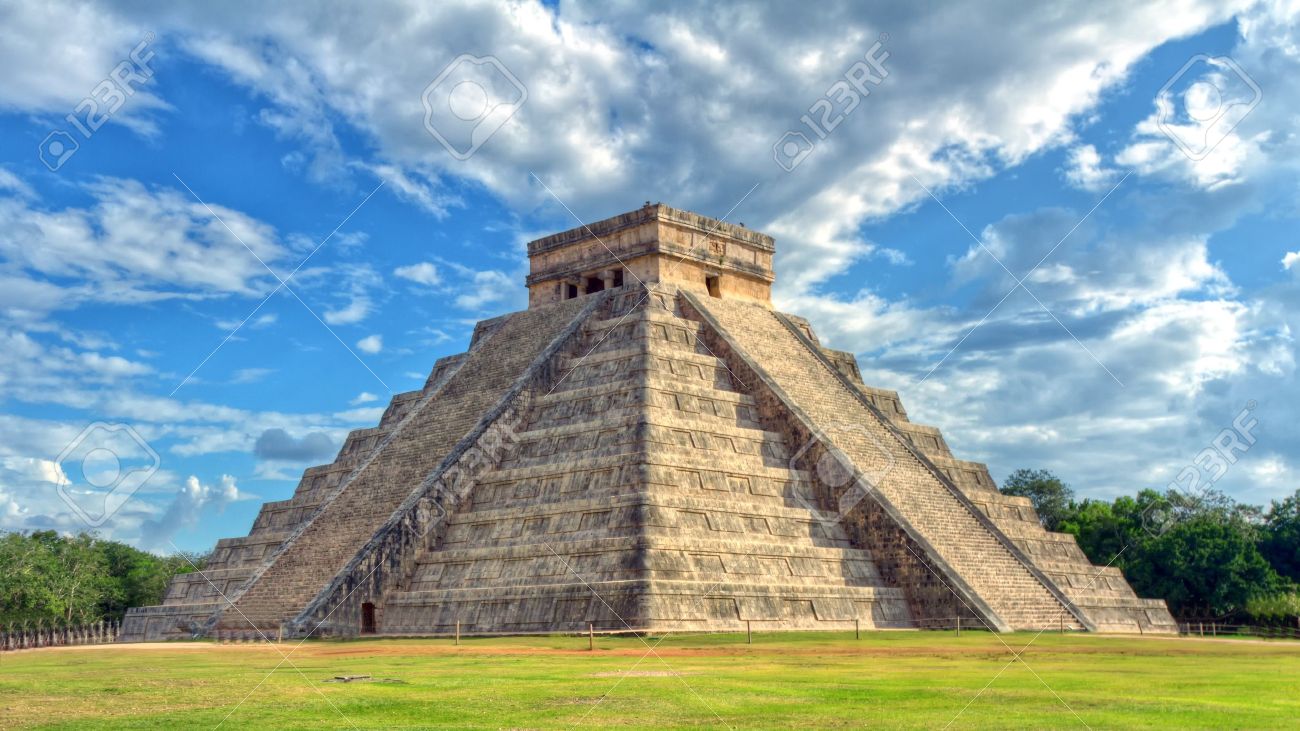
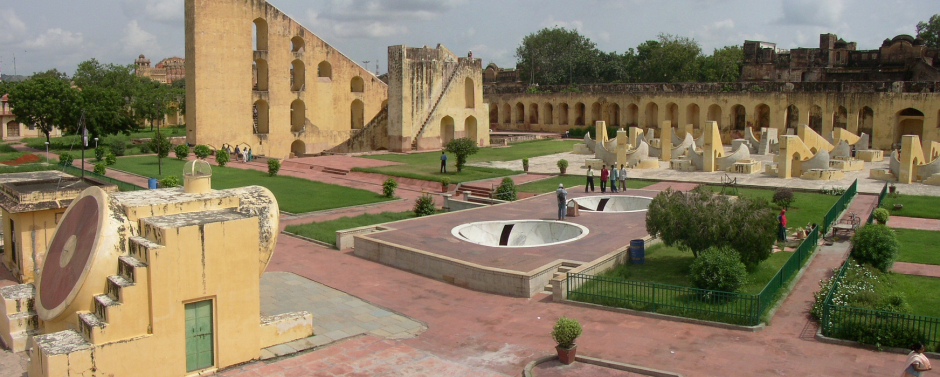
Since the human being is self-conscious, all civilizations have studied the Sun, the Moon and the stars and other objects in the night sky. They soon became aware of various cycles, such as the phases of the Moon or the seasons, that directly influence our lives. Later, they began to group the night stars and realized that some of them, a few, were not fixed in the sky, like the others, but were moving through the others following fixed and periodic routes. Various megalithic monuments and various ancient buildings allowed important events to follow, such as the solstices. The first civilizations attributed the behavior of these celestial objects to supernatural beings, the gods. The first civilization that tries to give a more scientific interpretation was the Greek, whose main exponents in astronomical matters and study of the Solar System were, among others, Aristotle, Aristarchus, Eratosthenes, Hipparchus and Ptolemy.