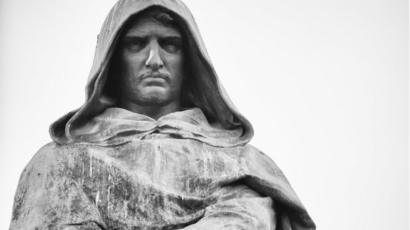
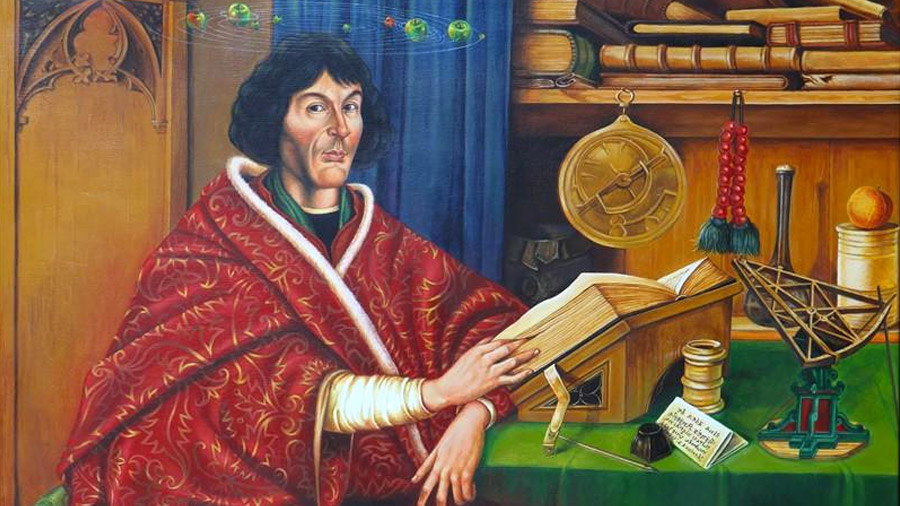
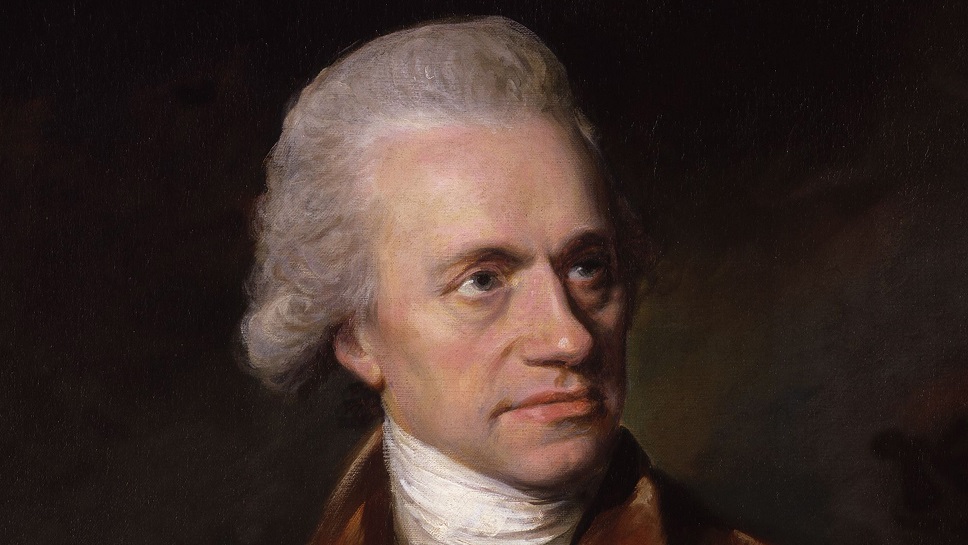
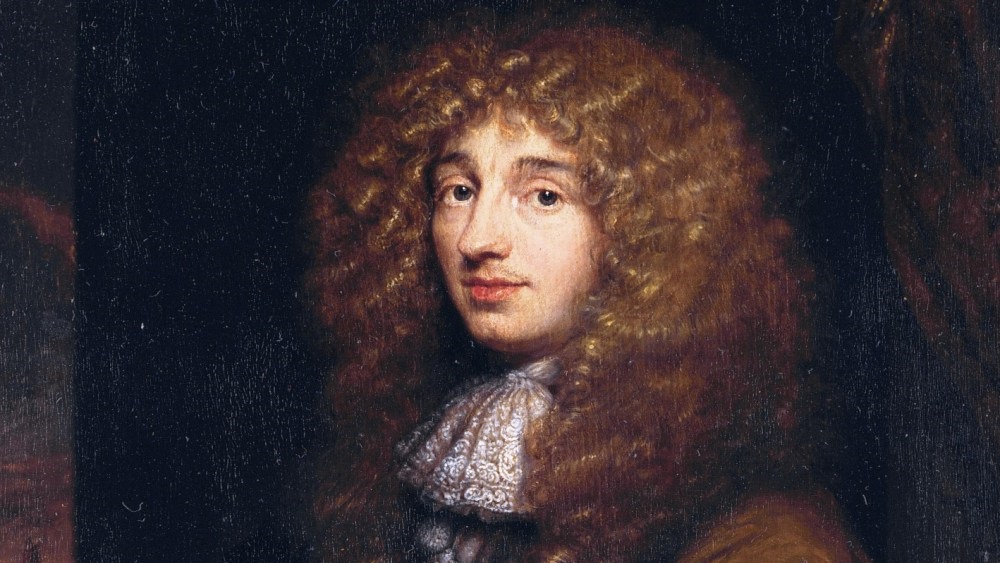
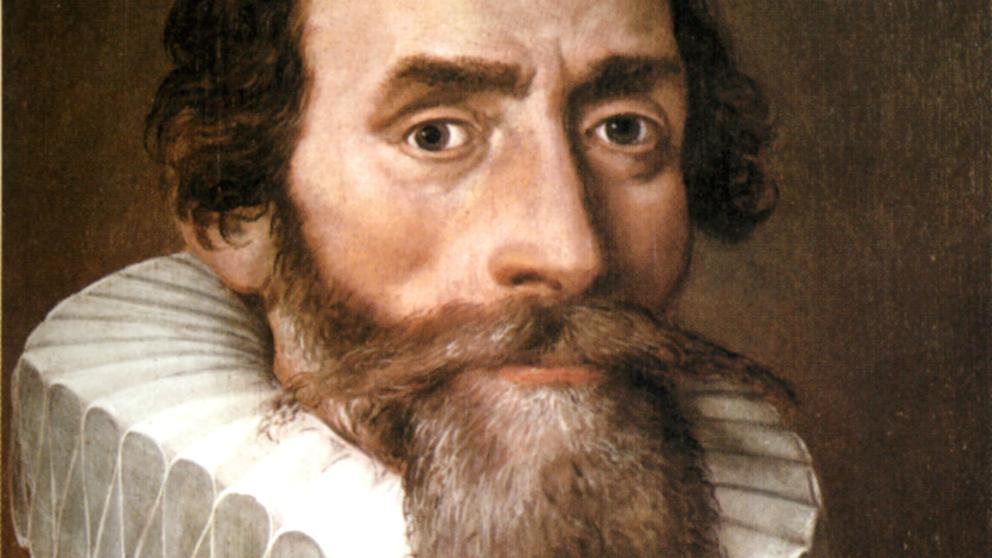
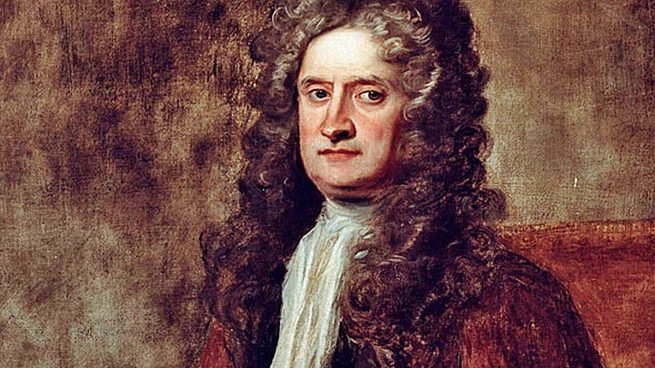
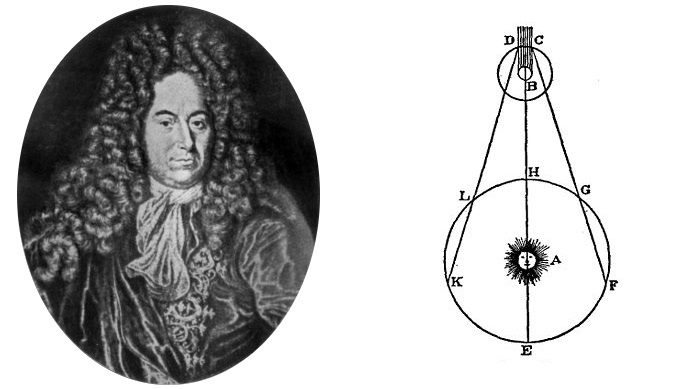
The Roman Empire and the Middle Ages were periods of stagnation for astronomy, at least in Europe. For the Romans, the night sky was not an interesting study item. Medieval Europeans, meanwhile, did not question the traditional view of Aristotle and Ptolemy endorsed by the Bible. During this period, astronomy, however, continues to evolve in the Muslim world, India, and China. The Renaissance means a change in the way of seeing things, centered on the human being (in opposition to God) and on the return to the classical philosophers, from which ideas are now taken and revised. Furthermore, the Bible is no longer an undisputed source of knowledge, giving authority to reason and experience, which will now be considered the main sources of knowledge. All this will give rise to the emergence of new theories and studies by astronomers such as Nicolaus Copernicus and Johannes Kepler. The invention of the telescope in the Netherlands and its adaptation to astronomical exploration by Galileo Galilei will give astronomers a powerful new instrument that will allow them to greatly expand the horizon of their observations, and will make possible the discoveries of Christiaan Huygens, Isaac Newton, William Herschel, Jan Heweliusz, Ole Rømer, Johan Bode and Joseph-Louis Lagrange, Edmund Halley, among many others.