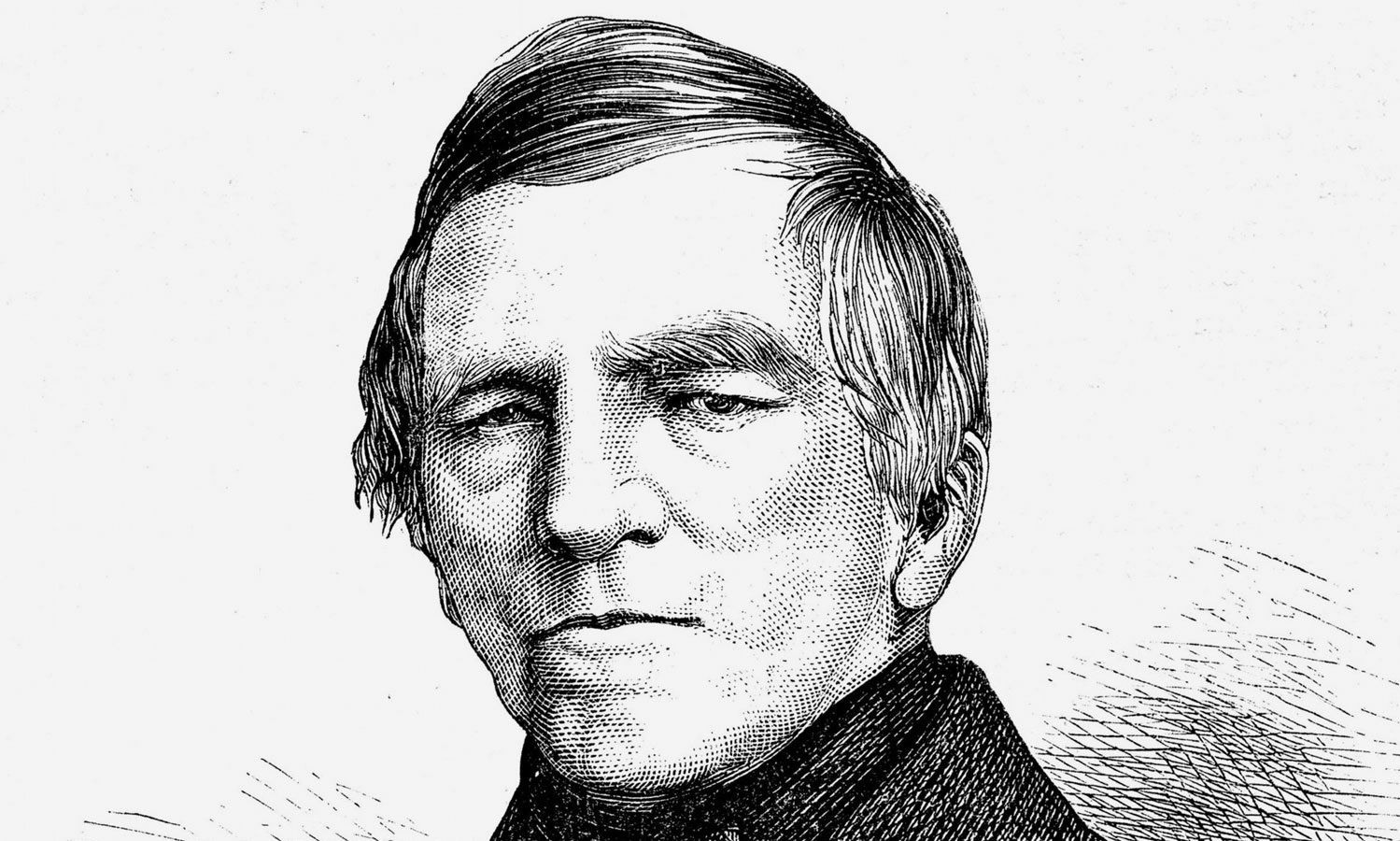
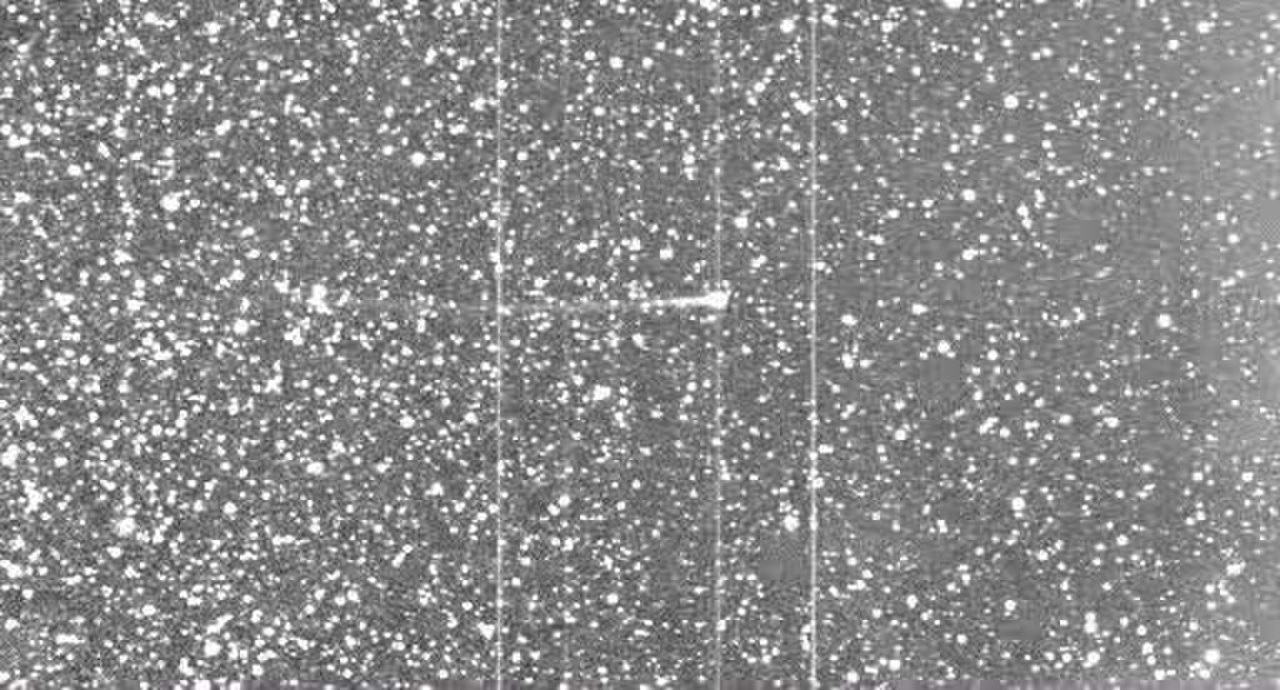
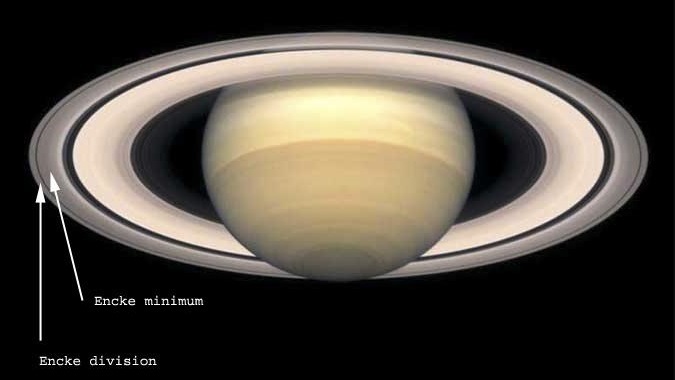
Johann Franz Encke (Hamburg, 1791 / Berlin, 1865) was one of the most important German astronomers of the 19th century. Disciple of Gauss, he began working as a teacher in 1812 until 1814, when he passed to the Seeberg Observatory. In 1818 he calculated the orbit of a comet discovered by Jean-Louis Pons, realizing that it had a very short orbital period (3.29 years) and that it had already been seen in 1786 and 1795. For this reason, it was called Encke to said comet. He also compiled a new star atlas that would make possible the discovery of Neptune by Johann Galle. In 1825 the King of Prussia called him to Berlin, becoming the director of his new observatory. From there he discovered Encke's Division in the rings of Saturn. In this observatory he had as an assistant Johann Galle, who would continue his work.