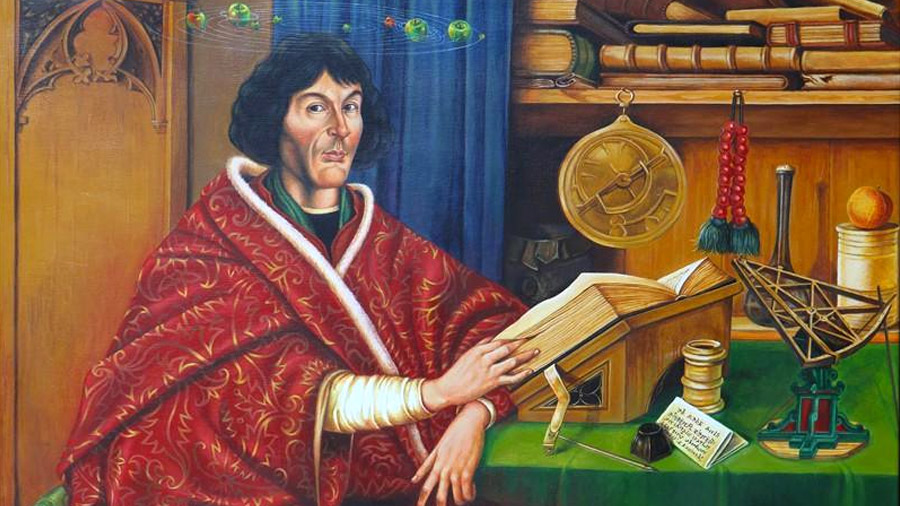
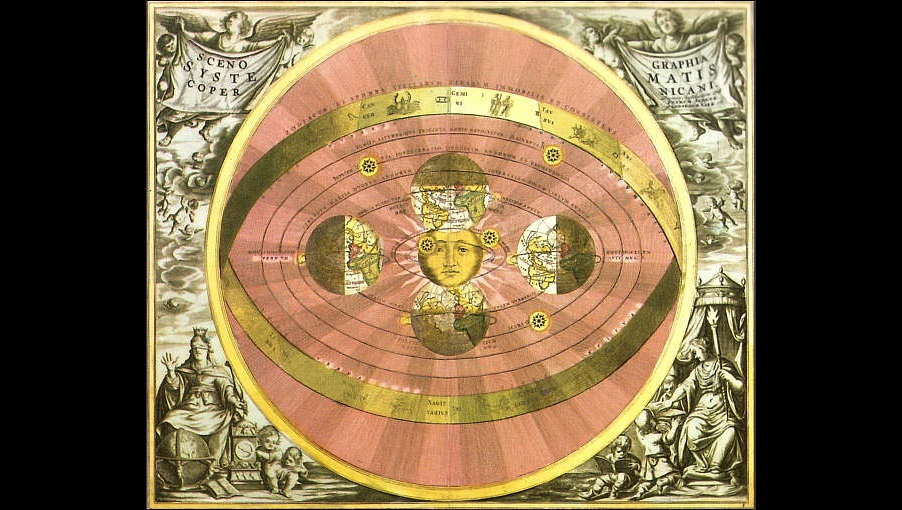
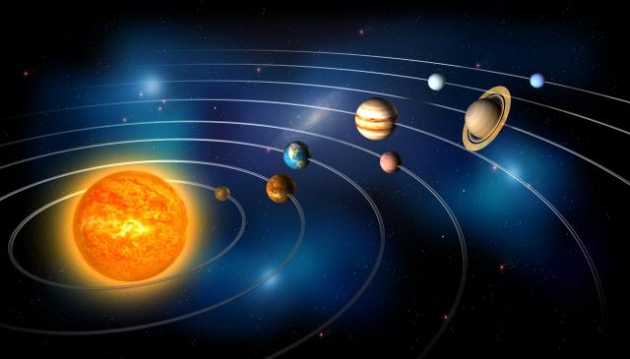
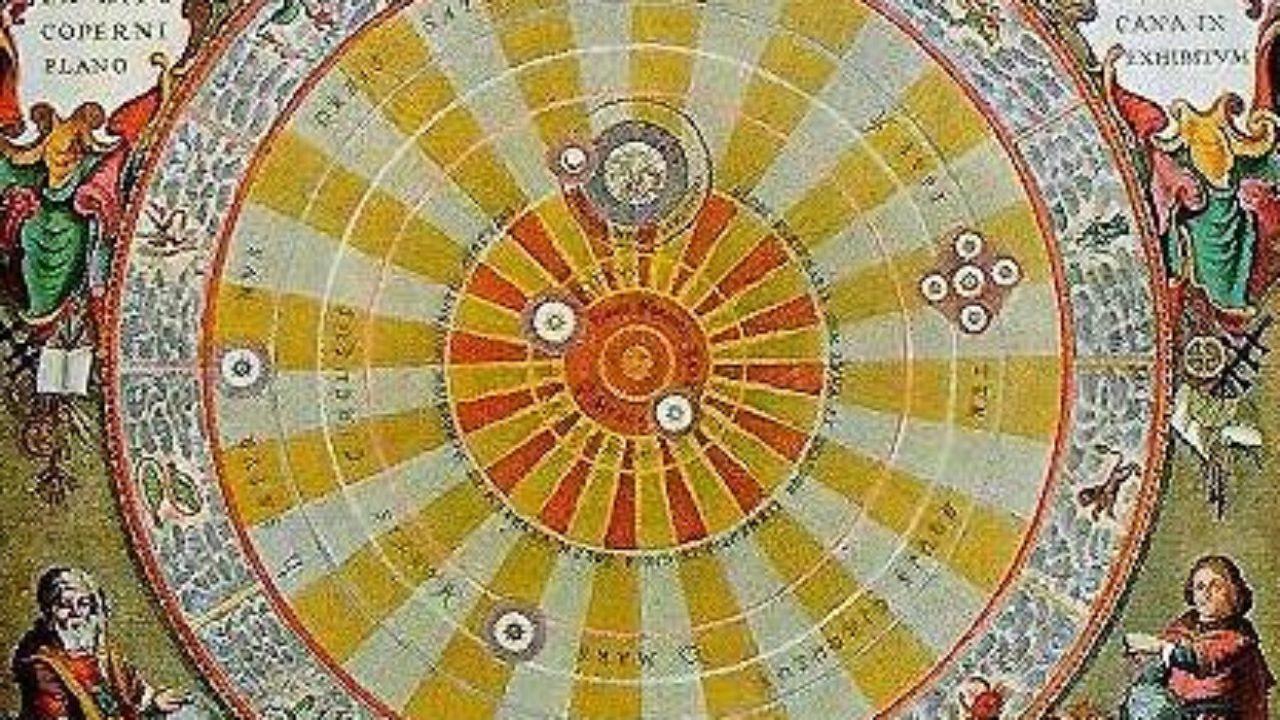
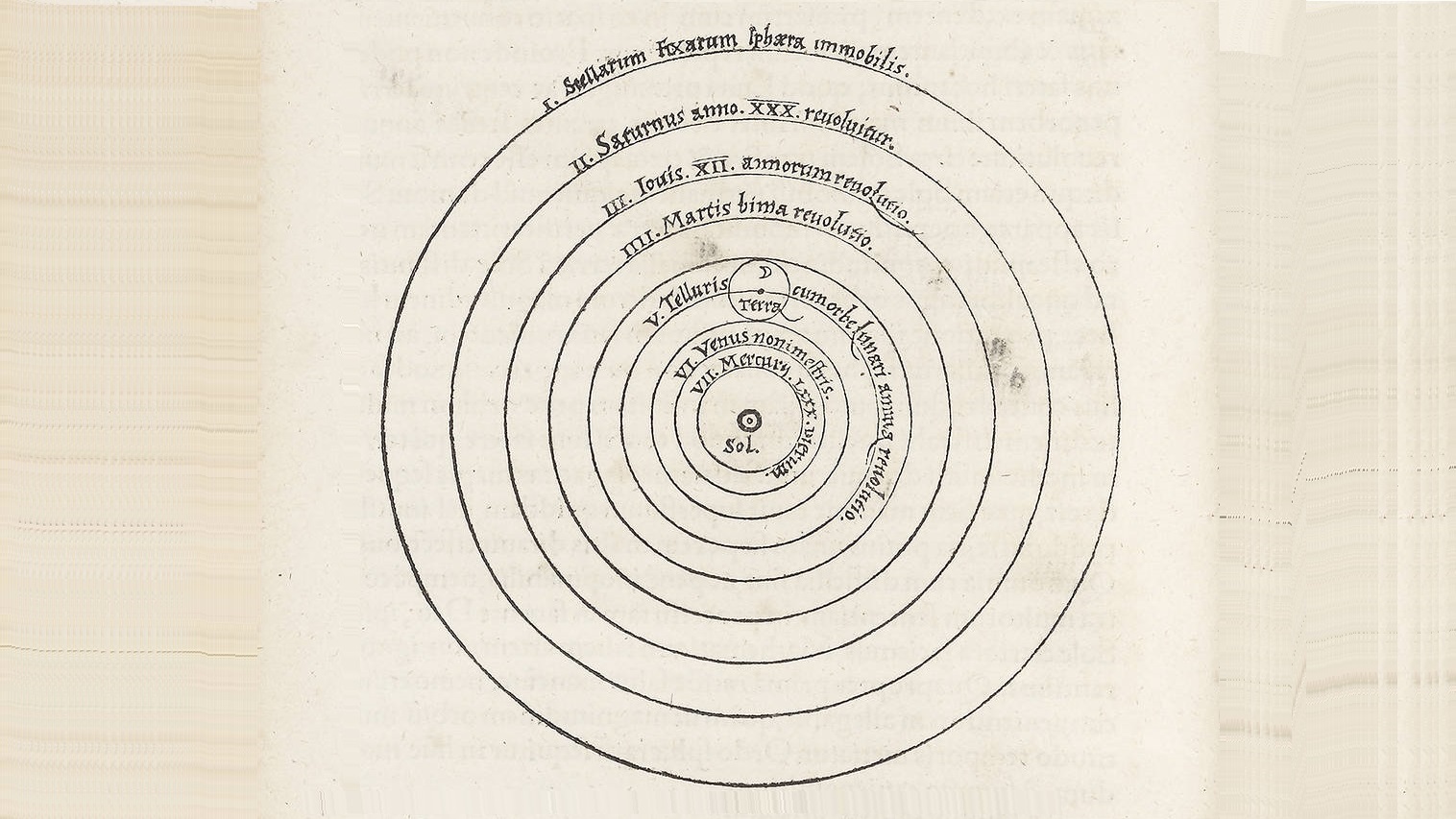
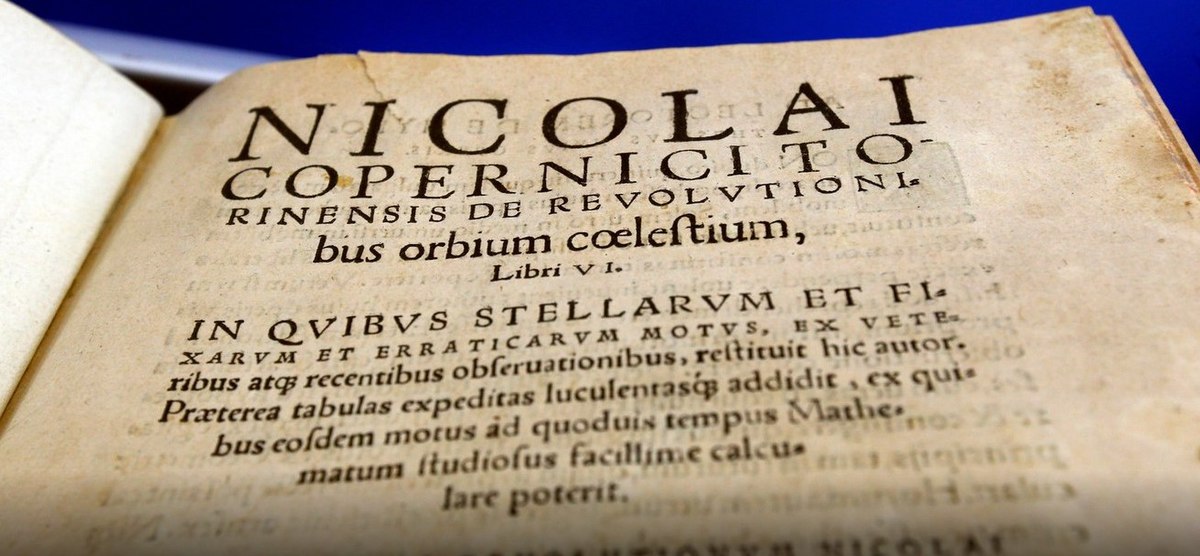
Nicholas Copernicus (Thorn, 1473 / Frauenburg, 1543), whose real name was Niklas Koppernigk, was a Polish monk and astronomer from the Kingdom of Prussia who lived in the Renaissance era and who formulated the heliocentric theory of Solar System, conceived in the first instance by Aristarchus of Samos. His book De revolutionibus orbium coelestium (On The Revolutions Of The Celestial Spheres) is usually considered the starting point or founder of modern astronomy, in addition to being a key piece in what was called the Scientific Revolution at the time of the Renaissance. Copernicus spent nearly twenty-five years working on the development of his heliocentric model of the universe. At that time it was difficult for scientists to accept it, since it was a real revolution. Besides, Copernicus was also a mathematician, jurist, physicist, governor, diplomat, and economist. Along with its extensive responsibilities, astronomy was little more than a distraction. For its enormous contribution to astronomy, in 1935 the name "Copernicus" was given to one of the largest lunar craters, located on the Mare Insularum. The heliocentric model today is considered one of the most important theories in the history of science. Copernicus did not publish his work in which he defended heliocentrism until 1543, the year of his death. However, his books would be included in the Index librorum prohibitorum, many years after his death, with the case Galileo.