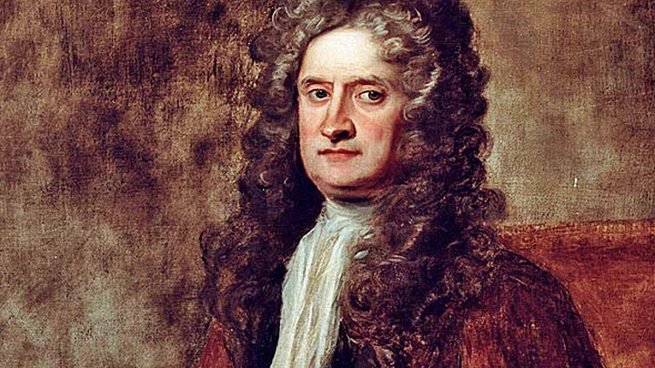
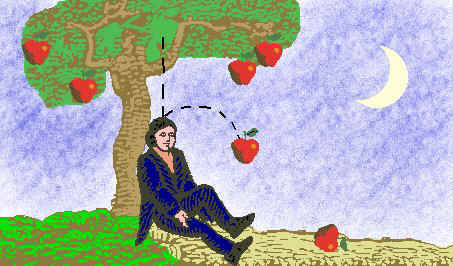
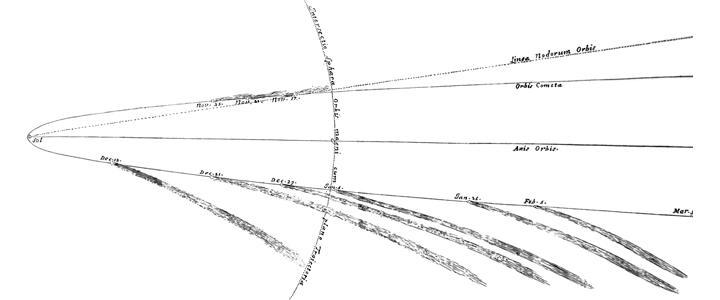
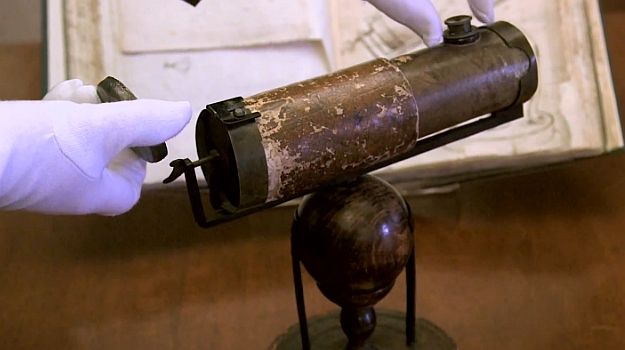
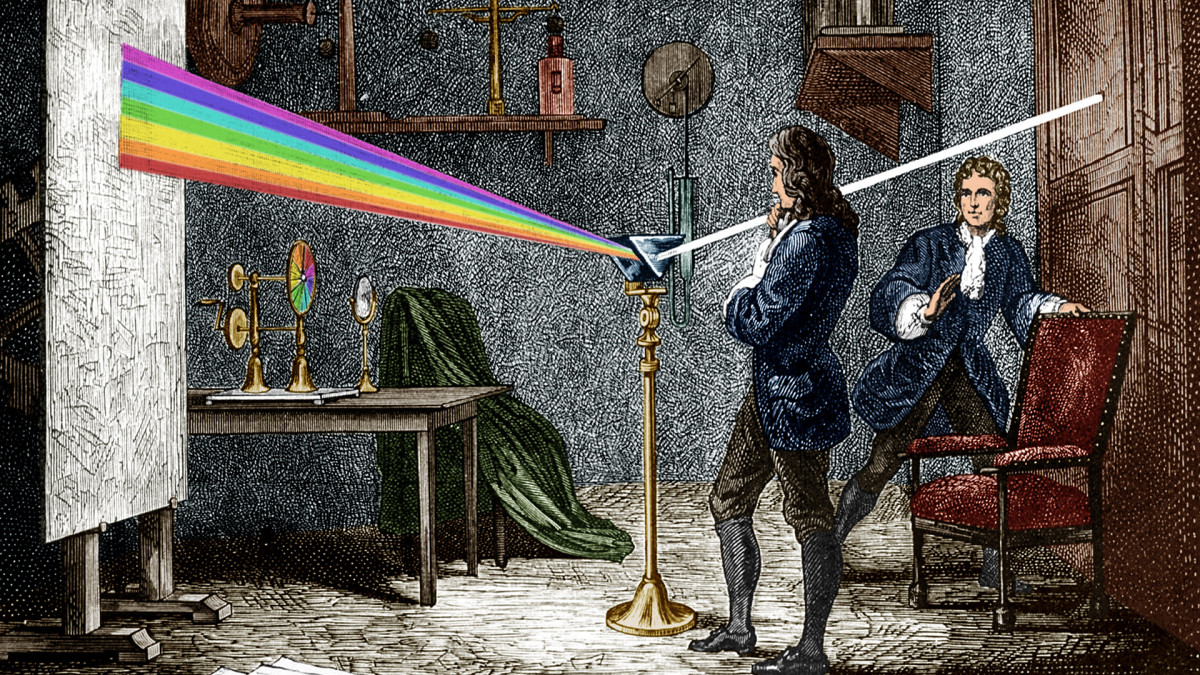
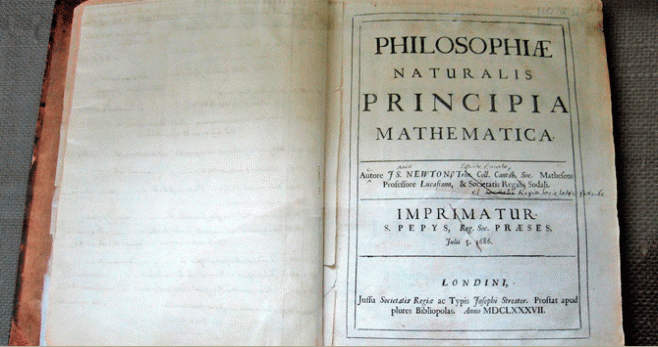
Isaac Newton (Woolsthorpe, 1643 / Kensington, 1727) was an English physicist, theologian, inventor, alchemist, and mathematician. He discovered the natural laws that govern the movement of the planets and other celestial bodies in his theory of universal gravitation, which he formulated in his book Philosophiæ naturalis principia mathematica (1687). In this way, he also demonstrated the validity of the laws of Kepler. Another important contribution was the invention of the reflecting telescope, which made it possible to reduce the size of the telescopes and eliminate the chromatic aberration that made it difficult to correctly observe celestial objects. Apart from his important contribution to astronomy, he made important studies on the nature of light and the infinitesimal calculus, among others.